
With its stunning beaches, vibrant cities, and growing economy, the Philippines is increasingly becoming a popular destination for property investment among locals and foreigners alike. Navigating the real estate landscape in this Southeast Asian archipelago can be challenging but rewarding. Whether you’re a first-time buyer or an experienced investor, understanding the nuances of the Philippine real estate market is crucial. Keep reading to uncover the essential tips that will help you make a well-informed property purchase in the Philippines.
Understanding the Philippine Real Estate Market Dynamics
The Philippine real estate market is characterized by its unique regional variations and the differing demand between urban and rural areas. Metropolitan regions, such as Metro Manila, are experiencing significant growth, with increased residential and commercial development. This disparity underscores the importance of researching market trends and area-specific economic indicators when considering a purchase.
Furthermore, the market is influenced by factors such as infrastructure projects, government policies, and tourism trends. The influx of overseas Filipino workers and the growth of the business process outsourcing (BPO) industry continue to drive residential demand. Knowing these underlying forces can help you anticipate shifts in property values and demand.
Seasonal fluctuations can also affect property prices and availability in the Philippines. Typically, the market experiences volatility during election years, with a more stable period following. Timing your purchase around these cycles may provide better negotiation leverage and pricing options.
For prospective buyers, especially those based abroad, working with a real estate agent Philippines based can offer valuable insights into current market conditions. Their expertise can guide you through the complex landscape, ensuring you have access to the latest information and advice.
Tips for Selecting the Right Location and Property Type
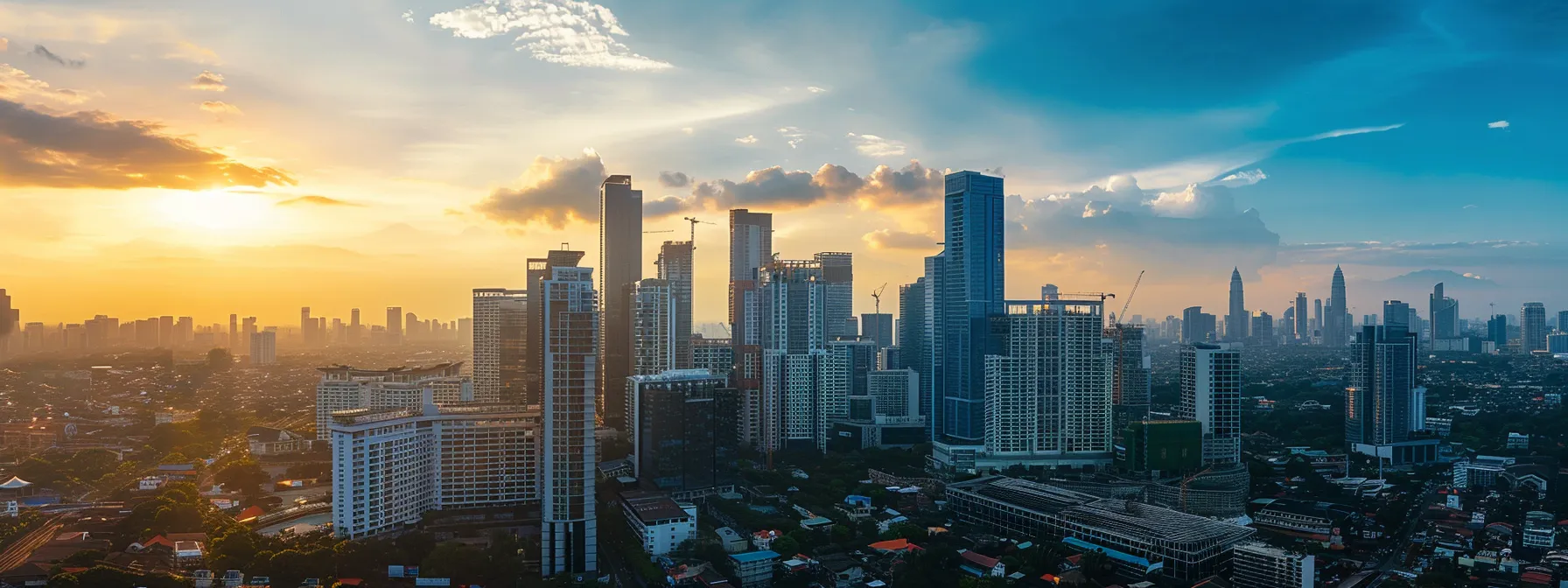
The old adage of “location, location, location” holds true in the Philippine real estate market. A property’s value greatly depends on its location, with proximity to amenities, public transportation, and business districts being significant value-adding factors. Rural regions offer larger lots and often at a lower cost, but they may lack the convenience and growth potential of their urban counterparts.
Choosing the right property type is also a critical decision. Condominiums in high-rise developments are popular in city centers, providing modern amenities and security. Meanwhile, house-and-lot options may be better suited for families seeking more space and privacy. Considering your lifestyle needs and investment goals can guide this choice effectively.
Prospective buyers should also be mindful of the development’s reputation and the track record of its developers. A reputable developer can provide assurance regarding construction quality, schedule adherence, and potential resale value.
Lastly, take the time to visit potential properties personally. Nothing can substitute the experience of seeing the property firsthand, assessing the community, and visualizing your life or investment there. If an in-person visit isn’t possible, virtual tours and discussions with local residents can be invaluable.
Conducting Due Diligence Before Finalizing Your Real Estate Investment

Due diligence is your safeguard against potential pitfalls in real estate transactions. It involves a thorough review of the property’s legal documentation, including the authenticity of the title and any encumbrances or liens against it. This process can prevent legal issues and financial losses arising from unrecognized claims or disputes.
Inspecting the property’s physical condition is equally essential. Hire a professional inspector to evaluate the structure’s integrity, check for any necessary repairs, and ensure that the building complies with local building codes and regulations. This can protect you from unforeseen expenses post-purchase.
For investment properties, it’s also wise to consider rental yield, historical appreciation rates, and potential for future value growth. Market analysis can provide insight into these factors, supporting a calculated decision on whether a particular property is a sound investment.
An often-overlooked aspect of due diligence is understanding the neighborhood and its long-term prospects. Investigate development plans, public infrastructure projects, and any environmental concerns that may impact the area. These factors can significantly affect property value and quality of life in the future.
Purchasing real estate in the Philippines demands careful consideration and strategic planning. By rigorously assessing the market, understanding legal requirements, selecting the right location, evaluating financing options, and conducting comprehensive due diligence, you can mitigate risks and make a successful investment. Remember, the key to a rewarding real estate transaction is being informed and prepared at every step of the process.