



Discover Your Vocation: Augustinian Recollects Path to Religious Life and Religious Vocation Discernment
The journey to discovering one’s vocation is a profound and transformative experience, particularly within the context of religious life. For many, the path to understanding their calling involves a deep exploration of personal faith, community engagement, and spiritual growth. This article delves into the vocation discernment process as practiced by the Order of Augustinian Recollects (OAR), highlighting the significance of Augustinian spirituality and the communal aspects that shape this journey. Readers will learn about the steps involved in discerning a religious vocation, the key principles of Augustinian spirituality, and how community life plays a crucial role in fostering spiritual growth. By understanding these elements, individuals can better navigate their own paths toward a fulfilling religious life.
Religious Vocation Discernment Process
The religious vocation discernment process is a structured journey that helps individuals identify their calling within the context of faith. This process typically begins with initial reflection through prayer, where individuals seek to understand their desires and inclinations toward a religious life. Engaging with a supportive community is essential, as it provides encouragement and accountability throughout the discernment journey. Participation in formal discernment programs further aids individuals in exploring their spiritual gifts and understanding the commitments involved in religious life.
Further insights into the structured nature of vocational discernment, particularly for ordained ministry, are explored in contemporary theological analyses.
Theological Analysis of Vocational Discernment for Ordained Ministry
This thesis offers a theological analysis of the Shared Discernment Process (SDP) used by the Church of England to discern vocations to ordained ministry. Introduced in 2021, the SDP was a significant revision of previous processes, designed to reflect contemporary changes in ministry and promote greater diversity among candidates. Through empirical research with Diocesan Directors of Ordinands (DDOs) and candidates, this study examines how the SDP is experienced as a means of discerning God’s call, rather than merely a pragmatic selection process. I analyse the theology of the vocational discernment process and engage with three key themes.
Discerning God in the Process: An Empirical and Theological Analysis of Vocational Discernment towards Ordained Ministry in the Church of England, 2025
Key Principles of Augustinian Spirituality


Augustinian spirituality is rooted in the teachings of St. Augustine, emphasizing a personal relationship with God, community life, and the principles of humility, love, and service. This spirituality encourages individuals to seek God through introspection and communal support, fostering a deeper understanding of their faith. The core tenets of Augustinian spirituality guide individuals in their discernment process, helping them align their personal aspirations with their spiritual calling.
Importance of Community Life
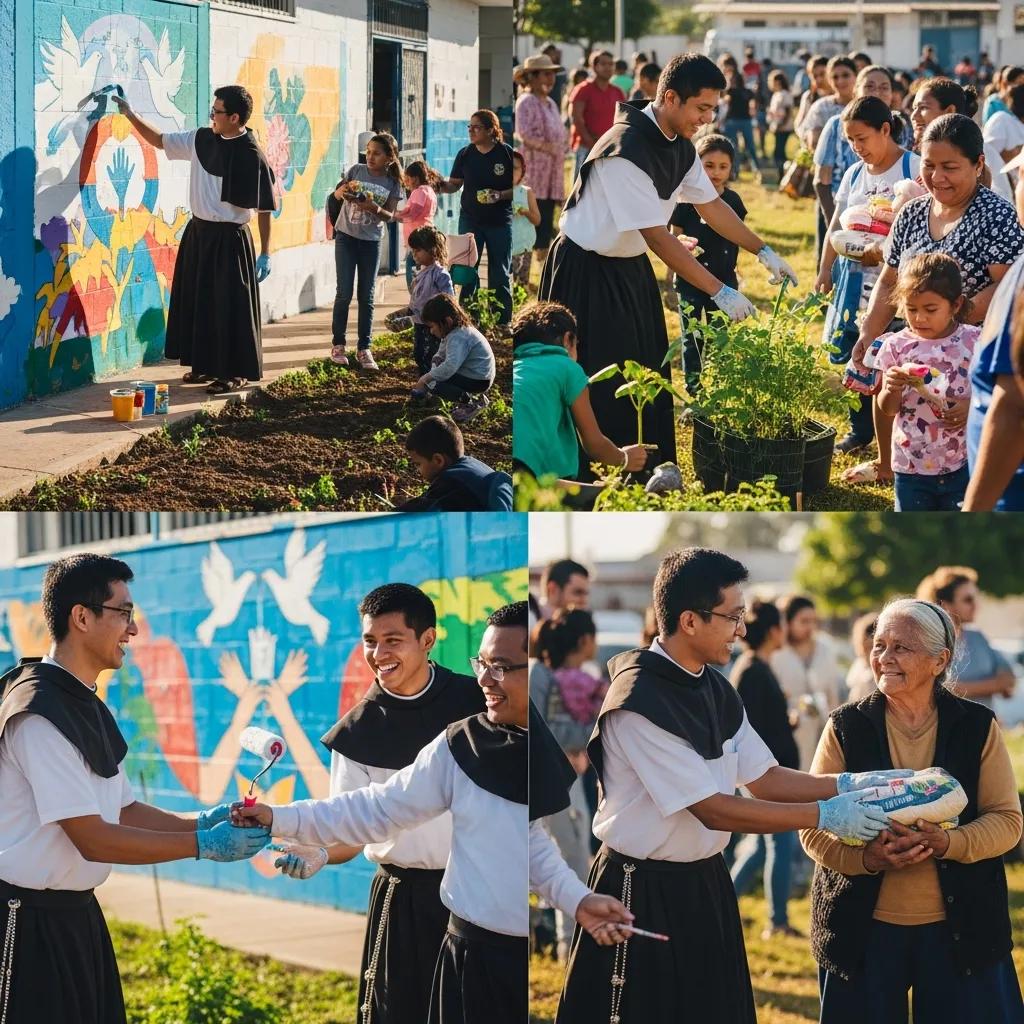
Community life is a cornerstone of the Augustinian Recollects’ approach to spiritual growth. It provides a supportive environment where individuals can share their experiences, challenges, and insights. The communal aspect fosters accountability in faith, allowing members to encourage one another in their spiritual journeys. Additionally, the shared mission of serving others enhances the sense of purpose and belonging within the community, making it an integral part of the vocation discernment process.
What Is a Religious Vocation and How Do You Recognize Its Signs?
A religious vocation is a calling to dedicate one’s life to serving God and others through a specific religious community. Recognizing the signs of a religious vocation often involves experiencing a deep inner peace, a strong desire to serve others, and various spiritual experiences that affirm one’s calling. These indicators can manifest in different ways, guiding individuals toward a life of commitment and service within the Church.
The profound personal experience of a calling, encompassing authenticity and spiritual wellbeing, is a central theme in understanding one’s Christian vocation.
Spiritual Perspectives on Vocation and Christian Calling
In this context, going back to the primary meaning of calling, to living calling and faith, can offer a profound feeling of authenticity and wellbeing, feeling called subjective success in a psychological sense. Living calling is a meaningful experience related to our true Christian self and our personal and social identity and can be a spiritual anchor when fears are conquering our souls. Connecting the meaningful experiences, the Christian values, social and cultural background, can offer a way of discovering and living a calling. There is response to our need of eternity which medieval authors called capax Dei- people being able to think about God, not asan idea, but as a way of living where the need of being loved transformsthe gift of love, the ultimate calling of the Christian.
The Psychology of Vocation: Spiritual Perspectives in a Digital World
Defining Religious Vocation and Its Importance in Catholic Life
Understanding the significance of “religious vocation” is essential for those exploring their faith. A religious vocation represents a commitment to live out one’s faith in a profound way, aligning personal spiritual gifts with the mission of the Church. This commitment not only enriches the individual’s spiritual life but also contributes to the broader mission of evangelization and service within the Catholic community.
Common Signs and Spiritual Indicators of a Vocation
Identifying signs of a religious calling can be a deeply personal experience. Common indicators include:
- Deep Inner Peace: A sense of tranquility when contemplating a life of service.
- Desire to Serve Others: An innate urge to help and support those in need.
- Spiritual Experiences: Moments of clarity or inspiration that affirm one’s calling.
These signs can guide individuals as they navigate their discernment journey, helping them to recognize their unique path.
How Does the Augustinian Recollects Charism Shape the Vocation Journey?
The charism of the Augustinian Recollects significantly influences the vocation journey by emphasizing community life and prayer. This charism encourages individuals to integrate their faith into daily actions, fostering a holistic approach to spiritual growth. The principles of humility and service guide members in their interactions with others, shaping their understanding of what it means to live a religious life.
Understanding St Augustine’s Spiritual Legacy and Interior Conversion
St. Augustine’s teachings have left a lasting impact on Christian spirituality, particularly regarding the concept of interior conversion. This process involves a profound transformation of the heart and mind, leading individuals to a deeper relationship with God. Understanding Augustine’s spiritual legacy helps individuals appreciate the importance of personal growth and community support in their vocation discernment.
Community Life and Apostolic Ministry in the Augustinian Recollects
Community life within the Augustinian Recollects is not only about shared living but also about engaging in apostolic ministry. This ministry provides a supportive environment for growth, where members work together to serve others. The shared mission enhances accountability and fosters a sense of belonging, making community life a vital aspect of the religious vocation journey.
What Are the Steps to Join the Augustinian Recollects and Become a Priest?
The process of joining the Order of Augustinian Recollects involves several key steps:
- Application Requirements: Interested individuals must submit an application detailing their background and motivations.
- Formation Process: This includes spiritual, academic, and pastoral training to prepare candidates for religious life.
- Timeline for Joining: The entire process can take several years, allowing for thorough discernment and preparation.
This structured approach ensures that candidates are well-equipped for their future roles within the community.
The Vocation Discernment Process: Prayer, Education, and Formation
The vocation discernment process encompasses various elements, including prayer, education, and formation. Engaging in regular prayer helps individuals connect with God and seek guidance in their discernment. Educational programs provide essential knowledge about the faith and the commitments involved in religious life. Formation experiences, such as retreats and community involvement, further enrich the discernment journey.
How Can You Support and Engage with Augustinian Recollects Ministries and Projects?
Supporting the ministries of the Augustinian Recollects can take many forms, including:
- Financial Contributions: Donations help sustain various community projects and outreach efforts.
- Volunteer Opportunities: Engaging in service projects allows individuals to contribute directly to the community’s mission.
- Participation in Retreats: Attending retreats offers a chance to deepen one’s spiritual life and connect with the Augustinian community.
These avenues of support not only benefit the Order but also enrich the spiritual lives of those who engage with their ministries.
Opportunities for Donations and Their Impact on Spiritual Growth
Donations play a crucial role in supporting the work of the Augustinian Recollects. Contributions are used for various purposes, including funding community outreach programs, supporting formation initiatives, and maintaining facilities. The impact of these donations is significant, as they directly contribute to the spiritual growth of both the community and the individuals it serves. Encouraging donations fosters a sense of shared mission and responsibility within the broader Church community.
Participating in Vocation Retreats and Formation Events
Engaging in vocation retreats and formation events is an excellent way for individuals to explore their calling further. These events provide structured opportunities for prayer, reflection, and community engagement. Participants can learn more about the Augustinian Recollects’ mission and values while connecting with others on similar journeys. The supportive environment fosters personal growth and deepens one’s understanding of religious life.
What Resources Are Available for Spiritual Growth and Vocation Support?
Numerous resources are available to support individuals in their spiritual growth and vocation discernment. These include:
- Structured Discernment Programs: Programs designed to guide individuals through the discernment process.
- Spiritual Practices: Resources that encourage regular prayer and reflection.
- Community Involvement: Opportunities to engage with the Augustinian Recollects and participate in their ministries.
These resources are invaluable for those seeking to deepen their faith and explore their vocation.
Guidance Materials and Prayer Practices for Discernment
Effective discernment requires access to guidance materials and prayer practices. These resources can include books, workshops, and mentorship opportunities that provide insights into the discernment process. Engaging with mentors who have experience in religious life can also offer valuable perspectives and support. Regular prayer practices, such as meditation and contemplative prayer, help individuals remain open to God’s guidance throughout their journey.
Testimonials and Stories from Augustinian Recollects Members
Hearing personal stories from members of the Augustinian Recollects can be incredibly inspiring for those considering a religious vocation. These testimonials often highlight the transformative power of community support and the joy of serving others. Members share their experiences of discernment, the challenges they faced, and the fulfillment they found in their commitment to religious life. Such narratives can encourage others to embark on their own journeys of faith and discernment.